 English
 Spanish
 French
 German
 Italian
 Chinese (Simplified)
 Japanese
 Korean
 Arabic
 Portuguese
 08045804620

 Send Inquiry
Brass Fine Wire Mesh
Price 50 INR/ Unit
MOQ : 1 Unit
Brass Fine Wire Mesh Specification
- Aperture
- 0.3 mm
- Hole Shape
- Square
- Length
- 10 Meters
- Surface Treatment
- Coated
- Wire Gauge
- 30 Gauge
- Product Type
- Wire Mesh
- Mesh Type
- Fine Mesh
- Mesh Style
- Plain Mesh
- Material
- Other
- Alloy
- CuZn37
- Application
- Other
- Dimensions
- 1 Meter Width
- Wire Diameter
- 0.25 mm
- Weight
- 2.5 Kg per Roll
- Color
- Golden
- Mesh Count
- 120 Mesh
- Corrosion Resistance
- Excellent
- Standards
- ASTM E2016-20
- Tensile Strength
- 350 MPa
- Operating Temperature
- Up to 300°C
- Finish
- Shiny
- Packaging Type
- Roll
- Usage Area
- Sieving, Filtration, Insect Screens
- Weave Type
- Plain Weave
- Edge Type
- Cut Edge
Brass Fine Wire Mesh Trade Information
- Minimum Order Quantity
- 1 Unit
- Supply Ability
- 5000 Units Per Month
- Delivery Time
- 7 Days
About Brass Fine Wire Mesh
Brass is an alloy of copper and zinc and has improved resistance to abrasion and corrosion Compared to copper Brass has low electrical conductivity and is frequently used in sieving diversified pellets powder porcelain clay and glass chinaware printing filtering liquid and gas The chemical composition of brass is 6070 copper plus 3040 zincFine Wire Meshis a mesh of wires combined together having fine holes on its surfaceBrass Fine Wire meshor wire cloth is thin woven wire meshes with mesh from 11 to 500 500 wire diameter and can be 0025 mm to 203 mm 0001 inch to 008 inchBrass Fine Wire Meshcan be used in elevated temperature applications due to excellent functioning in higher temperaturesBrass Fine Wire meshis a versatile wire mesh having wide application in industrial commercial and decoration
Exceptional Filtration and Sieving Performance
Designed for both industrial and domestic needs, this brass fine wire mesh excels in fine sieving and filtration applications. The uniform mesh opening of 0.3 mm enables efficient separation and screening of materials, ensuring optimal process outcomes in sectors such as chemical, pharmaceutical, and food processing.
Superior Durability and Resistance
Manufactured from CuZn37 alloy, this mesh delivers robust tensile strength of 350 MPa and is coated for enhanced corrosion resistance. Its ability to withstand temperatures up to 300C makes it suitable for demanding filtration and separation environments, providing long-lasting, maintenance-free performance.
FAQs of Brass Fine Wire Mesh:
Q: How do I install the Brass Fine Wire Mesh for sieving or filtration purposes?
A: The mesh is supplied in rolls, allowing you to easily cut it to the desired size. For sieving and filtration, secure the mesh onto a frame or holder, ensuring that the cut edge is safely fixed to prevent unraveling and maintain mesh integrity during use.Q: What are the benefits of using a brass mesh with 120 mesh count and 0.3 mm aperture?
A: A 120 mesh count combined with a 0.3 mm aperture offers fine filtration or sieving, enabling precise separation of small particles. This ensures high efficiency in processes where product purity and consistency are essential.Q: Where is this fine brass wire mesh typically used?
A: This mesh is commonly utilized in sieving, fine filtration, and as insect screens. Industries such as chemical processing, pharmaceuticals, food production, and architectural applications frequently benefit from its versatility and performance.Q: What process is used to manufacture the mesh, and why is the weave type important?
A: The mesh is produced using a plain weave technique, where each wire alternately passes over and under adjacent wires. This process ensures even aperture distribution, strength, and a smooth, uniform mesh surfacecrucial for reliable filtration and extended service life.Q: When should I choose a coated, corrosion-resistant mesh like this brass type?
A: Select this mesh for environments exposed to moisture, chemicals, or high temperatures up to 300C. Its coated, corrosion-resistant surface ensures durability and minimal maintenance, especially in outdoor installations or harsh industrial settings.Q: What advantages does the CuZn37 alloy provide for this mesh?
A: CuZn37 alloy, with a high zinc content, offers excellent mechanical strength and ductility, along with a shiny golden finish. This combination improves the meshs longevity, resistance to wear, and visual appeal.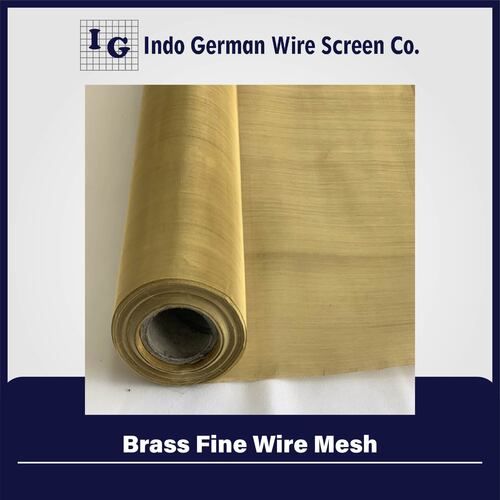
Tell us about your requirement

Price:
Quantity
Select Unit
- 50
- 100
- 200
- 250
- 500
- 1000+
Additional detail
Mobile number
Email

More Products in Fine Wire Mesh Category
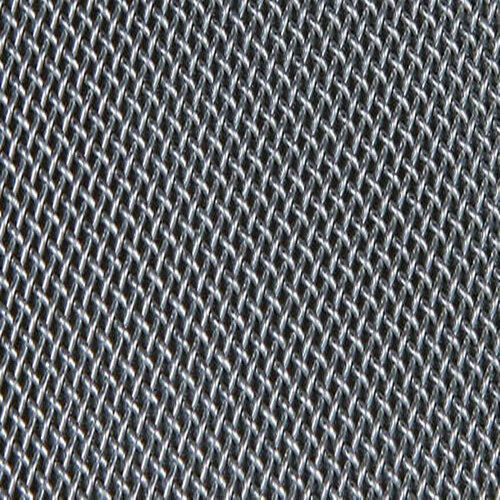
Monel 400 Fine Wire Mesh
Price 50 INR / Unit
Minimum Order Quantity : 1 Unit
Surface Treatment : Other, Annealed
Product Type : Other, Fine Wire Mesh
Mesh Type : Other , Fine Mesh
Material : Other, Monel 400

Stainless Steel Fine Wire Mesh
Price 50 INR / Unit
Minimum Order Quantity : 1 Unit
Surface Treatment : Mill Finish
Product Type : Other, Fine Wire Mesh
Mesh Type : Other , Fine Mesh
Material : Other, Stainless Steel 304
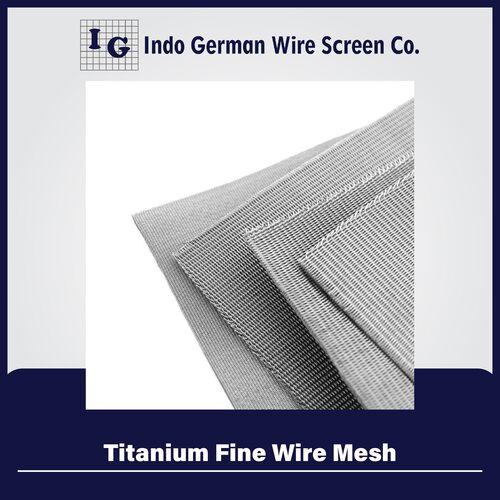
Titanium Fine Wire Mesh
Price 50 INR / Unit
Minimum Order Quantity : 1 Unit
Surface Treatment : Polished
Product Type : Other, Fine Wire Mesh
Mesh Type : Other , Plain Weave
Material : Other, Titanium
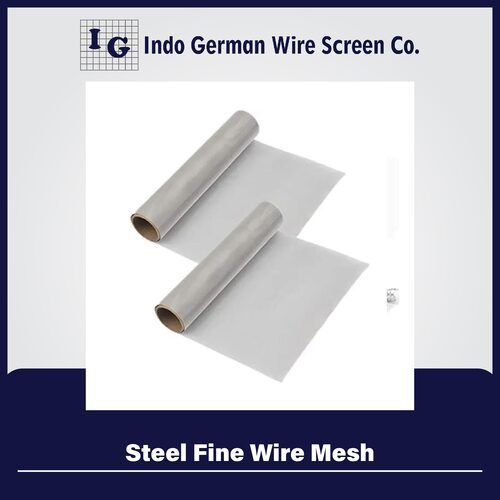
Steel Fine Wire Mesh
Price 50 INR / Unit
Minimum Order Quantity : 1 Unit
Surface Treatment : Galvanized
Product Type : Other, Fine Wire Mesh
Mesh Type : Other , Fine Mesh
Material : Other, Mild Steel

Contact Details
INDO GERMAN WIRE SCREEN CO.
GST : 27AGKPD4601J1ZK
GST : 27AGKPD4601J1ZK
address
- 134, Keytuo Industrial Estate, 220, Kondivita Road, Andheri (East), Mumbai - 400059, Maharashtra, India
- Phone :08045804620
- Send Inquiry
 Send Inquiry
Key Personnal
- Mr Manoj Doshi (Marketing Manager)
- Mobile :08045804620

|


 Send Inquiry
 Send SMS
 Call Me Free
 |
INDO GERMAN WIRE SCREEN CO.
All Rights Reserved.(Terms of Use) Developed and Managed by Infocom Network Private Limited. |
